Facing foreclosure is one of the most stressful financial situations any homeowner can experience. If you’re behind on mortgage payments and worried about losing your New Jersey home, understanding your options is crucial. This comprehensive guide explores proven strategies for avoiding foreclosure, from loan modifications and short sales to working with “we buy houses in New Jersey” companies, so you can protect your home and financial future. Holly Nance Group are experts at dealing with these issues – contact us today.
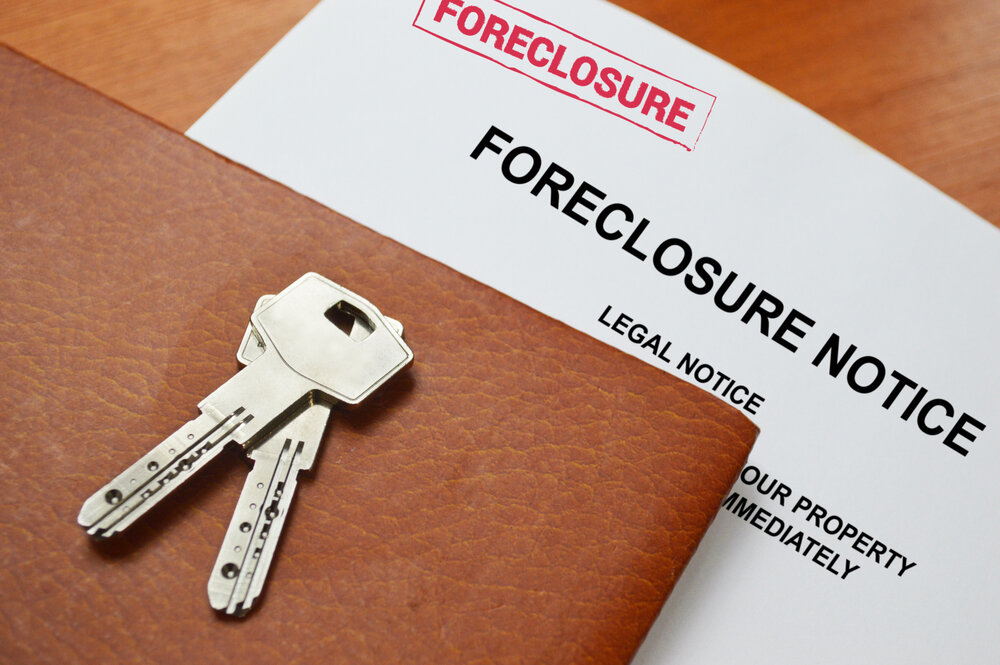
Foreclosure is a legal process that allows lenders to reclaim a property when borrowers fail to meet their mortgage obligations. In New Jersey, this process typically begins after approximately 120 days of missed payments. The state follows a judicial foreclosure process, meaning lenders must obtain court approval before taking possession of your home—a procedure that can take several months to over a year.
This timeline, while stressful, actually provides homeowners with valuable opportunities to explore alternatives and take corrective action. Understanding your rights under New Jersey foreclosure law empowers you to make informed decisions about your next steps.
The emotional and financial toll of foreclosure extends far beyond losing your home. Your credit score can drop significantly—often 200-300 points—making it difficult to secure housing, employment, or loans for years afterward. Additionally, you may face deficiency judgments if your home sells for less than you owe, leaving you responsible for the remaining balance.
The 2008 foreclosure crisis serves as a stark reminder of how quickly housing markets can destabilize and impact millions of families. Triggered by risky subprime lending practices and declining home values, the crisis forced countless homeowners into foreclosure when their adjustable-rate mortgages reset to unaffordable payment levels.
According to Federal Reserve data, the crisis resulted in approximately 10 million foreclosures between 2007 and 2016, devastating communities across the country and causing widespread economic instability.
The government response included the Home Affordable Modification Program (HAMP) and the creation of the Consumer Financial Protection Bureau (CFPB), designed to provide relief to struggling homeowners and implement safeguards against predatory lending. These programs helped thousands of families modify their loans and avoid foreclosure.
Today’s regulatory environment offers more protections for homeowners, but financial hardship remains a reality for many New Jersey families dealing with job loss, medical emergencies, divorce, or unexpected expenses.
One of the most valuable resources available to homeowners facing foreclosure is a HUD-approved housing counselor. These professionals provide free, unbiased advice tailored to your specific situation and can dramatically improve your chances of successfully avoiding foreclosure.
Housing counselors help you understand the foreclosure process, evaluate available options like loan modifications or short sales, and advocate on your behalf with lenders. They’re intimately familiar with foreclosure prevention programs and can guide you through eligibility requirements and application procedures.
According to research from the Urban Institute, homeowners who work with counselors are significantly more likely to avoid foreclosure than those who navigate the process alone. Counselors can explain how different strategies impact your credit score, future homeownership opportunities, and overall financial well-being.
To find a HUD-approved housing counselor in New Jersey, visit the HUD website or call 1-800-569-4287. These services are free and confidential, making them an essential first step when facing mortgage difficulties.
Loan modification is one of the most effective foreclosure avoidance strategies, allowing you to renegotiate your mortgage terms to achieve more manageable payments. Rather than losing your home, you work with your lender to adjust the interest rate, extend the loan term, or reduce the principal balance.
For example, if you’ve experienced a job loss or medical emergency that temporarily impacted your income, a loan modification might reduce your monthly payment by several hundred dollars, making it possible to stay current going forward. Lenders often prefer modifications to foreclosure because they recover more money and avoid the costly legal process.
Eligibility Requirements
Qualifying for a loan modification typically requires demonstrating genuine financial hardship and the ability to afford the modified payments. Lenders assess factors including:
The Application Process
Applying for a loan modification involves submitting detailed financial documentation including pay stubs, tax returns, bank statements, and a hardship letter explaining your circumstances. Your lender will review this information to determine whether modification is viable and what terms make sense.
Working with a housing counselor during this process significantly increases your approval chances. They ensure you submit complete documentation, help you understand lender requirements, and can negotiate on your behalf.
Once approved, modified loans typically include a trial period where you make reduced payments for three to six months. Successfully completing the trial period converts the modification to permanent status, allowing you to keep your home and rebuild your financial stability.
A short sale occurs when you sell your home for less than the outstanding mortgage balance, with your lender agreeing to accept the proceeds as full settlement of the debt. This option makes sense when you owe more than your home’s current market value and can no longer afford the payments.
For instance, if you owe $300,000 but your home’s market value is only $260,000 due to market conditions or property deterioration, a short sale allows you to exit the mortgage obligation without going through foreclosure.
Advantages of Short Sales
While short sales impact your credit score, the damage is typically less severe than foreclosure—usually a 50-150 point drop compared to 200-300 points for foreclosure. This difference can significantly affect how quickly you recover financially and qualify for new housing.
Additionally, short sales may allow you to purchase another home sooner. While foreclosure typically requires waiting five to seven years before qualifying for a conventional mortgage, short sale participants often qualify after just two to three years with rebuilt credit.
The Short Sale Process
Successfully executing a short sale requires coordination among multiple parties. You’ll need to:
According to Realtor.com market data, short sales typically take 90-120 days from listing to closing, though timelines vary based on lender responsiveness and market conditions.
One important consideration: in some cases, lenders may pursue deficiency judgments for the unpaid balance. However, New Jersey law provides some protections, and many lenders agree to waive deficiencies as part of short sale approvals. Always confirm deficiency waiver terms in writing before proceeding.
A deed in lieu of foreclosure involves voluntarily transferring your property title to the lender in exchange for release from your mortgage obligation. This option provides a more dignified exit strategy than foreclosure while avoiding the lengthy court process.
Deed in lieu arrangements work best when you have little to no equity, cannot afford to continue making payments, and haven’t been able to sell the property through traditional or short sale methods. The lender takes ownership of the property and releases you from further mortgage obligations.
Benefits and Considerations
The primary advantage is speed—deed in lieu transactions typically close within 90 days compared to the year-plus timeline of judicial foreclosure in New Jersey. This quicker resolution allows you to move forward with your life and begin rebuilding your financial foundation sooner.
The credit impact generally falls between short sales and foreclosure, typically resulting in a 50-125 point drop. However, like short sales, you may still face deficiency liability if the property’s value doesn’t cover the full loan amount, though many lenders waive this as part of the agreement.
Application Requirements
Lenders require extensive documentation for deed in lieu applications, including:
Lenders prefer deed in lieu arrangements when properties are in good condition and marketable, as they can recover their investment more quickly. Working with a real estate attorney or housing counselor ensures you understand all terms and protect your interests throughout the process.
Forbearance provides temporary relief by allowing you to pause or reduce mortgage payments for a specified period while you stabilize your finances. This option works best for short-term hardships like temporary unemployment, medical emergencies, or other situations where you expect your income to recover.
During forbearance, your lender agrees not to initiate foreclosure proceedings while you address your financial challenges. The missed payments don’t disappear—they’re either added to the end of your loan, spread out over future payments, or due as a lump sum when the forbearance period ends.
Types of Forbearance Plans
Lenders offer various forbearance structures depending on your circumstances:
Most forbearance periods last three to twelve months. As the period ends, you’ll need a clear repayment plan—often a loan modification, repayment plan, or refinance—to bring the account current.
Making Forbearance Work
Success with forbearance requires proactive communication with your lender and realistic assessment of your financial recovery timeline. Before entering forbearance, understand:
According to Consumer Financial Protection Bureau guidance, forbearance itself doesn’t directly harm your credit score, but any payments missed before entering forbearance will impact your credit history.
If you’ve fallen behind on payments but your income has stabilized, a repayment plan allows you to catch up by spreading missed payments over several months while maintaining your regular payment schedule. This structured approach helps you recover without facing the immediate threat of foreclosure.
For example, if you’re three months behind ($6,000) and your regular payment is $2,000, your lender might agree to a six-month repayment plan where you pay $3,000 monthly—your regular $2,000 payment plus $1,000 toward arrears.
Negotiating Repayment Terms
Lenders design repayment plans based on your current financial capacity. They’ll evaluate:
Be realistic about what you can afford. Agreeing to payments you can’t sustain only delays the inevitable and may leave you with fewer options later. Housing counselors can help you prepare a realistic budget and negotiate favorable terms with your lender.
Staying on Track
Successfully completing a repayment plan requires discipline and careful budgeting. Set up automatic payments if possible, maintain emergency savings to avoid future missed payments, and stay in communication with your lender if circumstances change.
Once you complete the repayment plan, your account returns to current status, protecting your home and beginning to repair your credit history. This success also demonstrates financial responsibility that benefits future mortgage or refinancing applications.
Refinancing replaces your existing mortgage with a new loan, potentially offering lower interest rates, reduced monthly payments, or more favorable terms. This strategy works best when your credit has improved since obtaining your original mortgage or when market interest rates have dropped significantly.
For homeowners facing foreclosure due to high interest rates or unaffordable payment structures, refinancing into a more manageable loan can provide the fresh start needed to avoid default. However, refinancing typically requires good credit, stable income, and sufficient home equity—factors that may be challenging when facing financial hardship.
Refinancing Options
Several refinancing programs may help struggling homeowners:
According to Freddie Mac data, even a 1% interest rate reduction can save homeowners hundreds of dollars monthly, making mortgage payments more sustainable long-term.
Refinancing Considerations
Before pursuing refinancing, carefully evaluate:
If you have sufficient equity but poor credit, consider government-backed refinancing programs that offer more flexible qualification requirements. Working with a mortgage broker can help you identify the best refinancing options for your situation.
Bankruptcy should be considered only after exhausting all other foreclosure avoidance strategies. While it can temporarily halt foreclosure through an automatic stay and potentially discharge unsecured debts, bankruptcy carries significant long-term consequences for your creditworthiness and financial future.
Chapter 7 vs. Chapter 13 Bankruptcy
New Jersey homeowners facing foreclosure typically consider two bankruptcy types:
Chapter 7 Bankruptcy liquidates non-exempt assets to pay creditors and discharges remaining qualifying debts. While it eliminates credit card debt and medical bills, it doesn’t eliminate mortgage debt. However, the automatic stay temporarily stops foreclosure, providing time to negotiate with your lender or pursue other options.
Chapter 13 Bankruptcy creates a three-to-five-year repayment plan for your debts, including mortgage arrears. This option allows you to keep your home by catching up on missed payments over time while maintaining current payments going forward. Chapter 13 is often more effective for saving homes than Chapter 7.
Understanding Bankruptcy Consequences
Bankruptcy appears on credit reports for seven to ten years and dramatically impacts your credit score—typically dropping it 130-200 points. This damage affects your ability to:
Before filing bankruptcy, consult with a bankruptcy attorney who can evaluate whether it’s truly necessary and which chapter best suits your circumstances. The American Bar Association offers resources for finding qualified bankruptcy counsel.
The single most important factor in successfully avoiding foreclosure is taking action early. The moment you realize you may struggle with mortgage payments—before you even miss the first payment—contact your lender to discuss options.
Early intervention provides maximum flexibility. Before falling significantly behind, you have access to more programs, better terms, and greater negotiating power. Once you’re six months behind and facing imminent foreclosure sale, your options become severely limited.
Understanding New Jersey’s Timeline
New Jersey’s judicial foreclosure process typically takes 12-18 months from initial default to foreclosure sale, providing substantial time to pursue alternatives. However, this timeline accelerates once court proceedings begin, making early action crucial.
Key milestones in the New Jersey foreclosure process include:
Each stage offers opportunities for resolution, but earlier stages provide better options and outcomes. Don’t wait until you receive a sheriff’s sale notice to seek help.
For many homeowners facing foreclosure, traditional selling timelines simply don’t work. Listing your home, waiting for buyers, navigating inspections, and closing can take months—time you may not have. This is where “we buy houses in New Jersey” companies provide a valuable alternative.
Cash home buying companies like Holly Nance Group specialize in quick property purchases, often closing in as little as seven days. They buy homes in any condition, eliminating the need for costly repairs or renovations before selling.
The Advantages
Speed: Cash buyers can close rapidly, often within one to two weeks. If you’re facing an imminent foreclosure sale, this speed can literally save your home and protect your credit.
Certainty: Cash offers don’t depend on buyer financing, eliminating the risk of deals falling through due to mortgage denial. This certainty is invaluable when racing against foreclosure timelines.
As-Is Sales: Cash buyers purchase properties in current condition, saving you thousands in repair costs and the stress of preparing your home for market. No staging, no showings, no contingencies.
No Commission or Fees: Unlike traditional sales involving real estate agents, cash sales typically don’t include commissions or closing costs, maximizing your proceeds.
Considerations
Cash offers typically come below market value—often 70-85% of after-repair value—reflecting the convenience and speed provided. You’re trading some equity for certainty, speed, and simplicity.
Additionally, ensure you’re working with a legitimate company. Research reviews, verify their track record, and never pay upfront fees. Reputable cash buyers never charge homeowners to evaluate properties or make offers.
Is It Right for You?
Selling to a cash buyer makes sense when:
Navigating foreclosure is overwhelming, but remember: you have options, resources, and time to make informed decisions. Whether you pursue loan modification, short sale, deed in lieu, or sale to a cash buyer, taking action early and seeking professional guidance dramatically improves your outcomes.
Start by contacting a HUD-approved housing counselor who can evaluate your situation objectively and explain your options. Communicate openly with your lender about your hardship and willingness to work toward resolution. Research available programs and resources specific to New Jersey homeowners.
Most importantly, don’t face foreclosure alone. Millions of homeowners have successfully navigated these challenges and preserved both their homes and their financial futures. With the right support, information, and strategy, you can too.
If you’re interested in exploring how a cash home buyer can provide fast, certain relief from foreclosure, visit the Holly Nance Group today for a no-obligation consultation. Our team specializes in helping New Jersey homeowners facing foreclosure find solutions that protect their financial futures and provide a fresh start.

Helping New Jersey homeowners sell with clarity, confidence, and speed. No matter how complicated it gets.