Can I Sell My House in Foreclosure in New Jersey – Understanding Your Options and Next Steps

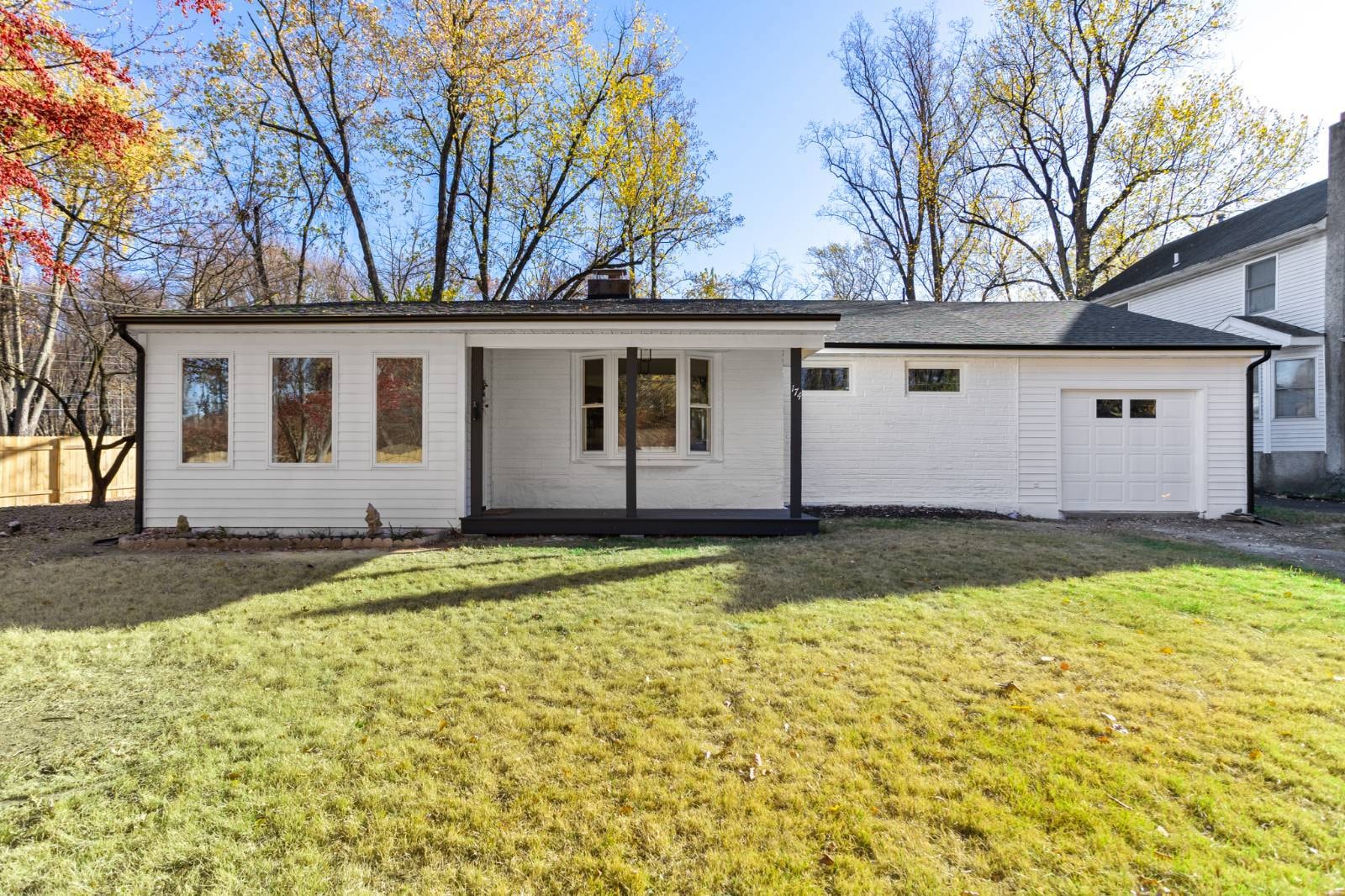
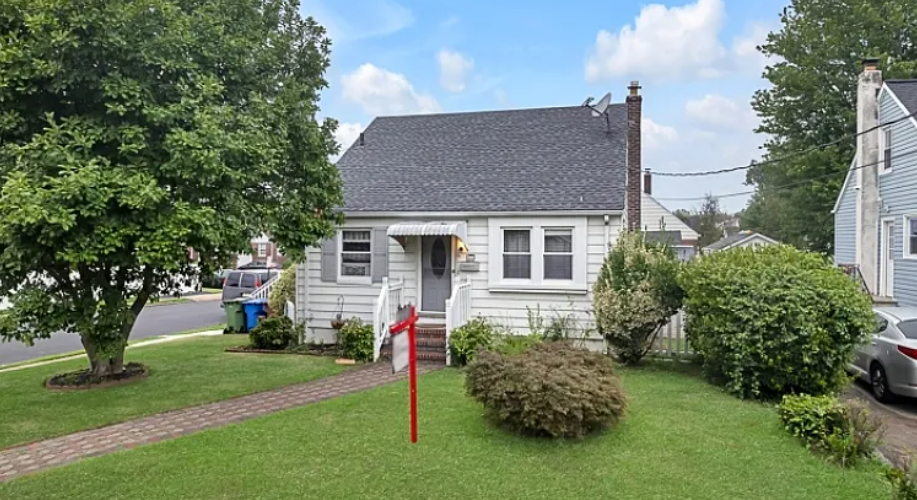
Exterior view of traditional ranch style single family detached home with a long, low-rising roof in an older established residential neighborhood.

Can I sell my house in foreclosure in New Jersey? Yes, you have options to sell your home quickly and avoid foreclosure sale or sheriff auction. Learn about foreclosure defense, loan modification, and working with real estate agents to protect your equity and stop foreclosure.

Foreclosure New Jersey

Download Your FREE Stop Foreclosure Guide Below

Just put in your name and email, click “Submit” and we’ll email you the Free Guide right away.

"*" indicates required fields

Property Address*
Privacy Policy
This field is for validation purposes and should be left unchanged.

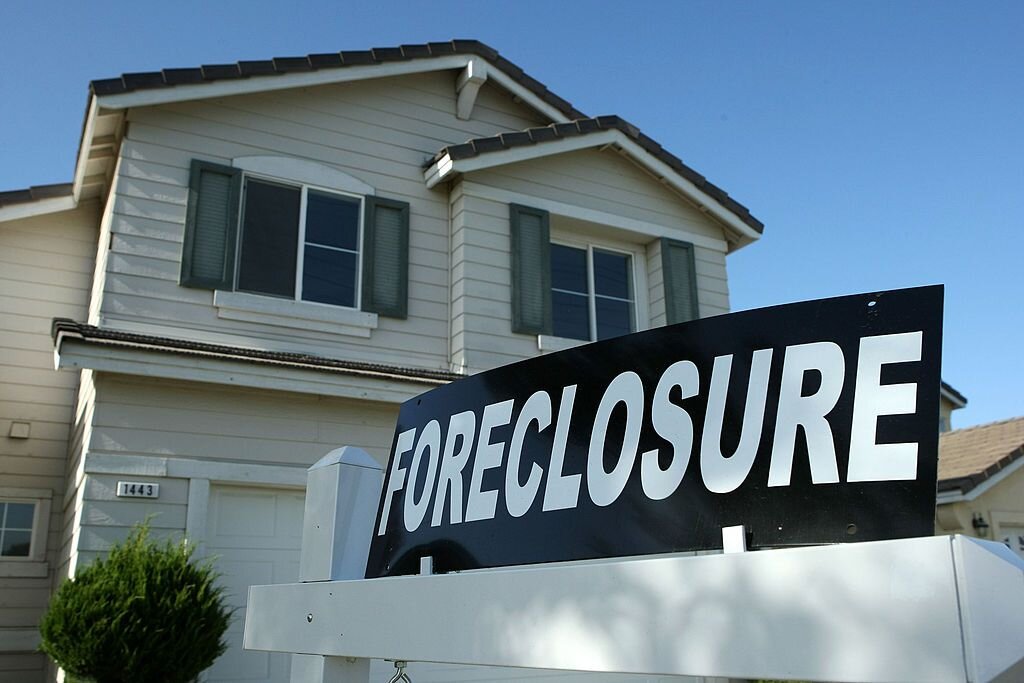
Foreclosure occurs when a homeowner is unable to make their mortgage payments on time and has no way to catch up on the missed payments. Because a mortgage is a legal agreement between you and your lender, once you’ve defaulted on the loan, the lender can auction off the property to cover any outstanding debts, leaving you homeless and with terrible credit.

No one wants to receive a notice of foreclosure and yet, in a nationwide study, nearly 1 million Americans were afraid of losing their homes (U.S. Census Bureau Household Pulse Survey, fielded from July 27 to Aug. 8, 2022). And foreclosure can occur from a number of reasons, including:

  • Job loss and loss of income
  • Divorce or death of a spouse or partner
  • Mounting debt, including medical and credit cards
  • Moving without being able to sell the home
  • Natural disaster

Holly Nance Group is a local company operating in NJ that has built their business by buying distressed houses and properties in the area for cash. They promise competitive cash offers without the hassle of dealing with real estate agents, title companies, traditional bank financing, and more!

What is Foreclosure?

Let’s say you or your spouse recently lost your job. You still have the same bills to pay but unfortunately you don’t have the money to cover your expenses, including your mortgage payment. What happens now? Even if you find another job the amount of debt you’ve accrued during that time might be too large for you to pay off in a reasonable amount of time. When this happens, the bank starts the process of foreclosure.

How Long Do You Have To Get Out of Your House After Foreclosure?

The steps for foreclosure in most states are missed payments, public notice, foreclosure, auction, and eviction, but the amount of time for each step varies based on state. You could have anywhere from 120 days to nine months before the bank can foreclose using either a judicial or non-judicial foreclosure. During this time, your lender will reach out to you by phone, mail, and email to let you know about the process.

The Different Types of Foreclosure

There are two different types of foreclosure you may experience:  nonjudicial foreclosure or judicial foreclosure.

What Is Non-Judicial Foreclosure? 

A non-judicial foreclosure is the fastest and cheapest way for a lender to foreclose on your NJ property. It does not require taking you, the homeowner, to court and can be completed according to state statutes. In the case of non-judicial foreclosure, your lender repossesses your home to sell it and recover whatever debt is owed using what’s called a “power-of-sale” clause in the deed of trust. Not every state allows for this option but, if yours does, the lender will generally choose it to avoid any court costs.

What Is Judicial Foreclosure?

In states that require judicial foreclosure, your lender must file a lawsuit asking the court to issue an order to allow for the sale of the home. The lender must provide you with this letter. Whether you agree or not, you must respond to the letter or the lender will automatically win the case and be allowed to put your home up for a foreclosure sale. When the house is sold, you are still required to pay the difference between what you still owe on the mortgage and the amount the house sold for. 

Auctions are not like regular home sales and generally the house is not sold for market value. This means that even if your house is in great shape and worth a lot more than what is left on your mortgage, you may still find yourself owing tens of thousands (if not hundreds of thousands) of dollars for a house you no longer own! This is called a deficiency judgment. It’s an expensive and long process for lenders to take to try and recoup their debt, which is why most prefer a non-judicial foreclosure.

How to Sell Your House Before Foreclosure in NJ

Let’s break down a few ways you can sell your house, depending on your time frame and situation:

Hire A Real Estate Agent

The first step most Americans think of when selling a house or property is to reach out to a local real estate agent. But there are pros and cons to this option when you are in a difficult situation such as foreclosure. Sure, a good real estate agent can list your property on the MLS and help you get it ready for open houses and daily showings, but they do all of this work so that at the end of the closing process a large chunk of your money from the sale of your house goes to them in the form of the agent’s commission. When you’re already suffering from a mountain of debt and need every penny to pay back your lender, a commission of 3% to 6% of your final sale price may be too hefty an amount to give up.

Plus, there’s the additional fear of not knowing when your house will actually close. Realtors may promise a lot, but at the end of the day you’ll still need to find the right buyer and wait 30+ days for a traditional close. For some homeowners who are facing auction and eviction, even waiting one month might be too long.

Short Sale

If you owe more on your house than it’s worth, your realtor may require what is called a short sale. A short sale is necessary when you owe more on your house than the property is currently worth. For example:  if you owe $200,000 on your house but in the current market it’s only worth $150,000, you must deal with a short sale. Though it may seem like a good option, it won’t be fast or easy.

To start off, you’ll first need to get your lender’s approval. To qualify for a short sale, you must prove financial hardship using documentation such as W-2s, medical bills, etc. For a situation such as loss of income, the lender will require that you prove that the loss of income is long-term and unlikely to turn around in your favor. If the lender approves the short sale, you will need to find a real estate agent and attorney that specialize in short sales, and they will still charge you the same amount as they would if you were selling your house with a traditional home sale.

If your foreclosure hasn’t dragged on for too long and you’ve maintained contact with your lender, it’s likely that they will approve the short sale. This allows them to avoid the time and expense of trying to foreclose on your property, while still recouping some of the loss from the missed mortgage payments. But for the regular American homeowner, the short sale will follow them for the next 5 to 7 years. 

You may have sold the house and been able to pay off some of your debt, but the short sale can damage your credit the same as if you had declared bankruptcy. The credit unions include the delinquency on your mortgage(s) to your lenders and the short sale on their records, making it nearly impossible for previous homeowners to get a credit card, buy a car, or move into a new house or property for the same amount of time as a bankruptcy.

Sell Your House AS-IS to A Cash Buyer

If you’re under a strict time restraint to sell your house before a foreclosure progresses to auction and eviction, you do have options! You can try to sell your property with a real estate agent, work with your lender to complete a short sale, or – best of all – turn to a trusted and reliable cash investor to help you with your situation.

Some of the benefits of selling to a direct cash investor include:

  • A quick and pain-free closing process.
  • Avoid paying any commissions or fees.
  • You won’t have to worry about marketing your house and waiting for a buyer.
  • No need to clean-up or complete any repairs!

When you sell your home as-is to a direct cash buyer, you not only can avoid losing your home to an auction, but you also may be able to sell the property for enough money to get out of financial debt. Moving on with your life without the burden of a monthly mortgage payment and debt hanging over your head is one of the best gifts you can give yourself!

Can You Stop Foreclosure Once it Starts?

Pay Off Your Loan & Fees

You’ve found yourself in a difficult situation. Your debt is adding up while your finances remain the same. It’s time to get serious and look at ways to pay down your debt quickly. Do you have any items you can liquidate? Maybe you have friends or family that can gift you money or provide you with a loan until you get back on track. If you are serious about paying down your debt and stopping foreclosure, you may need a financial professional to help you restructure your budget. Use one of these solutions or combine them all to help climb that avalanche of debt and get back to living a life free of stress.

Declare Bankruptcy 

As a last resort, bankruptcy may help you stop the foreclosure of your home but it comes with a high cost. The bankruptcy process is complex and will require a lawyer that specializes in bankruptcy law. If the court approves your petition, you will be entered into a government-approved credit counseling program and the bankruptcy will be reported on your credit report for 7 years. A bankruptcy affects all areas of your life, including when you try to purchase a car, apply for a credit card or bank account, and can disqualify you from future rentals.

The Homeowner Affordability and Stability Plan (HASP) 

If your debt is higher than your income, you may be eligible for the Homeowner Affordability & Stability Plan (HASP). HASP is a loan modification program targeted at borrowers who are at risk of foreclosure due to insufficient income. This government program was designed to help homeowners in the United States restructure their monthly payments to fit a limited budget. Apply for the program here to see if you qualify.

Sell Your House Fast to a Cash Buyer 

Are you ready to sell your house but don’t have the time to wait 30+ days for a traditional close? Does a short sale seem like a fast way to ruin your credit? Prefer to pay off all your debt at once and get the bank off your back fast? A direct home buyer and cash investor might be exactly the solution you’ve been searching for! When you work with a trusted and reliable investor with a great reputation in your area, you’ll find a helpful company with cash on hand that is ready to purchase your home from your as-is. With a cash buyer, you can skip the lengthy process of foreclosure, eviction, and auction within a matter of days, and save your credit as well!

You may not get full market value for your house or property when you sell to a trusted cash investor, but the timeliness of a fast closing, and the lack of fees, required inspections, and commissions often balance this out at close. Best of all, because an investor can close fast, you can often close before the bank is able to auction off your property! This means you can sell the property for the amount that benefits you versus the pennies to the dollar price the bank will often try to sell your house for just to get it off the books.

We Buy Houses in Foreclosure & Pre-foreclosure – Get Your Offer Today!

Does the idea of finally walking away from a property without the storm cloud of foreclosure hanging over your head? Contact a real professional at Holly Nance Group to find out more and get a fair cash offer for your property today.

Can I Sell My House in Foreclosure in New Jersey

Understanding the New Jersey Foreclosure Timeline

What initiates the foreclosure process in New Jersey?

Foreclosure in New Jersey starts when a homeowner fails to make their mortgage payments. The mortgage lender, usually a bank or mortgage servicer, begins legal action to recover the debt. This process starts with filing a complaint in court and issuing a lis pendens, which is a public notice showing that a foreclosure case is pending on the property.

The complaint explains the lender’s claim and informs the homeowner that they are in default because they did not meet their mortgage performance requirements. After the complaint is filed, the homeowner has a set deadline to respond. Responding on time is very important to protect their rights. If the homeowner does not respond or cannot fix the issue, the court may enter a judgment that lets the foreclosure move forward.

Homeowners should get legal advice as soon as they get a foreclosure notice. Talking to the lender or servicer early may lead to options like a repayment plan or loan modification before the foreclosure process moves ahead.

What are the key milestones in a New Jersey foreclosure timeline?

The New Jersey foreclosure timeline includes several key stages and deadlines every homeowner should know:

  • Lis Pendens Filed: This is the official notice that starts the foreclosure.
  • Complaint Filed and Served: The homeowner is served the foreclosure complaint.
  • Response Period: Homeowners have a deadline to reply to the complaint.
  • Judgment Entered: Court allows foreclosure if the homeowner does not provide a valid defense.
  • Sheriff Sale (Foreclosure Sale): The sheriff auctions the property.
  • Right of Redemption: The homeowner may have a short time to pay the debt and keep the property.
  • Deficiency Judgment: If the sale price is less than what is owed, the lender can seek this judgment for the remaining balance.

During this process, adjournments or delays may occur. These can postpone the sale date and give the homeowner more time to act. Usually, the entire process from the complaint filing to the final foreclosure sale can take several months to over a year. The exact timing depends on the case details and court schedules.

Knowing these important milestones helps homeowners prepare for what comes next and find chances to protect their home.

How can a homeowner delay or extend the foreclosure timeline?

There are several ways a homeowner can delay or extend the foreclosure timeline. Acting quickly and getting an attorney’s legal advice is very helpful. Common ways to slow down or stop foreclosure include:

  • Adjournment: Asking the court to delay the foreclosure sale.
  • Foreclosure Defense: Challenging the foreclosure by pointing out mistakes or errors.
  • Repayment Plan: Working with the lender to pay back missed payments over time.
  • Loan Modification: Changing loan terms with the mortgage servicer to lower payments.
  • Bankruptcy Filing: Filing Chapter 13 bankruptcy can pause foreclosure and allow debt restructuring.
  • Deed in Lieu of Foreclosure: Giving the property to the lender voluntarily to avoid foreclosure.

Homeowners should keep communicating with their lenders and review all options available. Making partial or full payments during this period may show effort to save the home.

Each situation is different, so it is important to understand the pros and cons of each step with help from professionals experienced in New Jersey foreclosure law.

Exploring Alternatives to Selling During Foreclosure

What is a deed in lieu of foreclosure, and how does it work?

A deed in lieu of foreclosure is an option where a homeowner gives the property back to the mortgage lender to avoid foreclosure. This helps skip the long foreclosure process and the foreclosure sale. 

Instead of losing your home through an auction, you voluntarily transfer ownership to settle your outstanding mortgage balance.

Here is how a deed in lieu works:

  • Agreement with Lender: You work with your mortgage lender to agree on handing over the property in exchange for clearing your mortgage debt.
  • Avoid Deficiency Judgment: Usually, the lender agrees not to sue you for any remaining mortgage balance after the property is transferred.
  • Protect Homeowner Rights: This option can hurt your credit less than a foreclosure sale and protects your rights better than walking away.
  • Mortgage Modification and Repayment Plans: Some lenders may offer alternatives like mortgage modification or repayment plans before approving a deed in lieu.

This option is helpful when selling your home is not possible or if you want to avoid the effects of foreclosure. Each lender has different rules, so getting legal advice is important to know your rights and options under foreclosure laws in New Jersey.

 If you are looking for foreclosure options in New Jersey, understanding deed in lieu can help protect your financial future.

How can a loan modification help avoid selling in foreclosure?

Loan modification is a way to change your current mortgage terms to make payments easier. Instead of selling your house in foreclosure or losing it in a foreclosure sale, a loan modification changes your loan to reduce your monthly payments.

Here are some key benefits of loan modification:

  • Lower Monthly Payments: Your mortgage lender may reduce interest rates, extend your loan term, or lower your principal.
  • Stop Foreclosure Process: With a repayment plan that fits your budget, loan modification can prevent foreclosure in New Jersey and keep your home.
  • Better Credit Impact: Taking steps to manage your debt through modification is better for your credit score than foreclosure.
  • Homeowner Assistance: Many New Jersey programs can help you get loan modifications and avoid foreclosure.

If you wonder, “Can I sell my house in foreclosure in New Jersey?” know that loan modification can help you stay in your home without selling. Contact your mortgage lender early to discuss foreclosure options in New Jersey and start a workout plan.

Is refinancing a viable option to prevent foreclosure in New Jersey?

Refinancing means replacing your current mortgage with a new loan that has better terms. This option can help homeowners in New Jersey avoid foreclosure by lowering monthly payments and managing debt more easily.

Consider these points about refinancing:

  • Lower Interest Rates: You can get a new mortgage with a lower interest rate, which lowers your monthly payments.
  • Use Home Equity: You might access your home equity to pay off debts or catch up on missed payments.
  • Better Loan Terms: You can extend your loan time or switch to a fixed-rate mortgage for steady payments.
  • Avoid Foreclosure Sale: Refinancing can stop a foreclosure sale and help you keep your home.
  • Credit Impact: A well-managed refinance can improve your credit.

Refinancing is another strong alternative along with loan modification and repayment plans to avoid foreclosure. Talk with your mortgage lender to explore all foreclosure options in New Jersey. Your eligibility depends on your credit, income, and home equity.

Navigating the Legal Aspects of Selling a Home in Foreclosure

Selling a home during foreclosure means knowing your legal rights and duties. As a homeowner, it is important to understand how the law protects you in this process. Working with an experienced attorney can give you useful legal advice and foreclosure defense strategies. 

They can help you deal with liens, judgments, and communication with your mortgage lender. Knowing your rights and foreclosure timeline lets you respond properly to notices and use any legal options to protect yourself.

What legal rights do I have as a homeowner facing foreclosure?

If you face foreclosure, you have several legal rights to protect you and possibly stop the foreclosure. These rights include:

  • Right to Notice: Your mortgage lender must send you proper notice before starting foreclosure. This gives you time to respond or dispute.
  • Right of Redemption: In some states, you can keep your home by paying the full amount owed within a certain time after foreclosure.
  • Protection Against Deficiency Judgments: Some laws stop lenders from going after you for the remaining mortgage balance if the foreclosure sale does not cover the debt.
  • Right to Dispute: You can challenge wrong information about your mortgage, liens, or judgments that affect the foreclosure.

A foreclosure defense attorney can explain how local laws apply to you and what legal protections you have. Knowing these rights early helps you take actions to protect your home and money during the foreclosure timeline.

Do I need a real estate attorney if I’m selling during foreclosure?

It is highly recommended to hire a real estate attorney when selling a house in foreclosure. A lawyer who knows foreclosure sales can give you legal advice and represent you. This helps protect your rights during this complicated process. An attorney can:

  • Review and prepare all paperwork and contracts correctly.
  • Negotiate with your mortgage lender and buyers.
  • Guide you through foreclosure defense options to stop or delay the sale.
  • Identify liens or judgments that affect the sale.
  • Protect you from legal disputes during closing.

Even if you feel you can handle the sale, an attorney’s help can avoid costly mistakes. Protecting your rights and finances during this tough time is very important.

How does bankruptcy impact the ability to sell my house in foreclosure?

Filing for bankruptcy can change how you sell a home in foreclosure. Bankruptcy offers legal protection and may stop foreclosure temporarily through an automatic stay. Here are facts to know:

  • Chapter 13 Bankruptcy: This type has a court-approved repayment plan to help you catch up on missed payments and avoid foreclosure.
  • Impact on Sale: Selling your home while in bankruptcy needs court approval, which can slow down or complicate the sale.
  • Stopping Foreclosure: Filing bankruptcy can pause foreclosure and give you time to negotiate with your mortgage lender.
  • Credit and Financial Effects: Bankruptcy lowers your credit score but also provides relief from debt and a fresh start.
  • Legal Advice Needed: A bankruptcy attorney can explain how bankruptcy affects your case and advise on how to protect your home and money.

Knowing how bankruptcy and foreclosure work together helps you make smart decisions about selling your home. Legal guidance makes sure you follow rules and get the most protection.

Finding the Right Buyer for Your Foreclosure Property

If you are facing foreclosure, finding the right buyer for your property is very important. Selling your home to a cash buyer can help you avoid a costly auction and protect your financial interests. Cash offers usually allow for a quick sale, with fewer problems and little or no need for repairs. This means you can get money faster and pay off your mortgage lender before the foreclosure sale happens.

Whether you sell to a real estate investor or a homebuyer, choosing the right buyer helps you get fair proceeds and lowers the chance of a deficiency judgment from the lender. Knowing how to handle this process makes selling a house in foreclosure less stressful and more successful.

What are the advantages of selling to a cash buyer in a foreclosure situation?

Selling your foreclosure property to a cash buyer has many benefits:

  • Fast Closing: Cash buyers can close the sale quickly, helping you avoid foreclosure sale deadlines.
  • Avoid Auctions: Selling directly to a cash buyer removes the risk of low prices at foreclosure auctions.
  • No Repairs Needed: Cash buyers buy the property “as is,” so you don’t have to spend money on repairs.
  • Less Stress and Headaches: Cash sales are usually simpler, making the process easier for you.
  • Fair and Better Offers: Experienced real estate investors provide competitive offers based on market value.
  • Protect Your Credit: Selling before foreclosure can prevent damage to your credit score and give you a fresh start.

These advantages make cash buyers a good choice if you want to sell your house in foreclosure fast and with fewer problems.

How do I find a reputable real estate investor in New Jersey?

To find a trustworthy real estate investor in New Jersey, you can follow these steps:

  • Check Local Listings and Reviews: Look for investors with good reviews and clear records of past foreclosure sales.
  • Ask Real Estate Agents and Attorneys: Local agents and foreclosure defense attorneys often know reliable investors.
  • Read Blogs and Websites: Find blogs about foreclosure options in New Jersey with helpful information and contacts.
  • Verify Credentials and Experience: Confirm the investor’s history and knowledge of the NJ market and foreclosure sales.
  • Request References: Ask for contact details of previous clients who sold their homes in foreclosure.
  • Attend Local Real Estate Events: Meet professionals who know the foreclosure process in New Jersey.

What should I expect during negotiations with potential buyers?

When negotiating with buyers during a foreclosure sale, here is what you should expect:

  • Offer Terms: Buyers will offer different prices, closing dates, and contract conditions. You will negotiate to agree on fair terms.
  • Seller Concessions: Buyers may ask you to cover some costs or accept specific terms to complete the sale.
  • Mortgage Lender Involvement: Your lender might be involved, especially regarding deficiency judgments or repayment plans.
  • Professional Help: A real estate agent or attorney familiar with foreclosure defense can explain contract details and assist negotiations.
  • Loan Modification or Repayment Plans: Some deals include working with lenders on loan changes or reducing deficiency amounts.
  • Clear Communication: Stay in touch with buyers to keep expectations about timing, closing, and conditions clear.

Knowing these steps helps you stay informed and confident when selling your foreclosure property. Good preparation leads to better agreements and smoother closings.

Managing the Financial Implications of Selling in Foreclosure

What happens to the remaining mortgage debt after selling a foreclosed home?

When you sell a home during foreclosure, it is important to know what happens to the leftover mortgage debt. Often, the money from the foreclosure sale or a short sale does not cover the full amount owed on your mortgage loan. The difference between the sale price and the remaining loan balance is called a deficiency judgment.

If the lender gets less money than you owe, they may try to collect the remaining debt from you. This means the mortgage lender can ask the court for a judgment to recover the unpaid amount. The deficiency judgment is the difference between the payments you have made and the total mortgage debt still owed after the sale.

Sometimes lenders offer a repayment plan or other options to help manage this remaining debt. It is important to talk to your lender early to discuss these options and avoid surprises about the remaining balance or possible legal actions.

Can I negotiate with the lender to reduce the deficiency judgment?

Yes, you can often negotiate with your mortgage lender to reduce a possible deficiency judgment. Many lenders want to settle the matter rather than go through long foreclosure defense processes. You can work with your lender or a foreclosure attorney to explore options such as:

  • Loan modification to change terms and lower payments
  • Arranging a manageable repayment plan for the leftover debt
  • Negotiating a lower deficiency amount or partial debt forgiveness

A foreclosure defense attorney can give you legal advice and help you negotiate with the lender. By explaining your financial situation and working together, you may reach an agreement that lowers your debt. 

Staying in contact with your lender improves your chances of finding a solution that works for you and helps you avoid more serious problems.

Are there tax implications when selling a house in foreclosure?

Selling a home through foreclosure or a short sale can have important tax implications. When a lender forgives part of your debt, the IRS usually treats the forgiven amount as taxable income. This means you might have to report the forgiven debt on your tax return, which can increase the amount of taxes you owe.

There are exceptions like the Mortgage Forgiveness Debt Relief Act, which may allow you to exclude some forgiven debt from taxable income in certain cases. It is best to consult a tax professional or attorney to understand how your situation affects your tax reporting and obligations.

Key points about taxes after selling a foreclosed home include:

  • Forgiven debt may count as taxable income by the IRS
  • You may receive a Form 1099-C reporting canceled debt
  • Tax deductions or credits might apply depending on your case
  • Capital gains tax could apply if you get any money exceeding your loan balance

Working with legal and tax experts helps you follow IRS rules and avoid penalties. They can guide you on filing taxes correctly and using any available tax relief.

Facing Foreclosure in New Jersey? The Holly Nance Group Can Help

If you’re dealing with foreclosure in New Jersey, the Holly Nance Group is here to guide you through the process and help you protect your home and financial future. Our team offers free consultations and personalized strategies designed to fit your specific situation.

Whether you need assistance defending against foreclosure, selling your property quickly, or managing mortgage debt, our skilled professionals are ready to help. We provide trusted legal insight and connect you with reputable buyers to ensure a fair and efficient resolution.

Take control of your situation before it’s too late. Contact us today for a free, no-obligation consultation and learn more about your rights and options to keep your home or move forward with confidence.

Frequently Asked Questions

Can I sell my house if it’s in foreclosure in New Jersey?

Yes, you can sell your house even if it is in foreclosure. Selling before the foreclosure sale helps you avoid a public auction and may allow you to keep some of your home’s equity. It is important to act quickly and work with an experienced agent who knows the New Jersey real estate market.

What are my options if I own a foreclosed home or property in New Jersey?

If your property is in foreclosure, you can try to sell it, negotiate with your lender, or look into loan modification programs. If you want to buy foreclosed homes in New Jersey, researching the local market and talking to real estate professionals will help you find good deals.

Can tenants stay in a property that has been foreclosed in New Jersey?

Tenants have rights even if the property is foreclosed. The new owner generally must honor the existing lease. If you are a landlord or tenant facing foreclosure, it is a good idea to get legal advice to understand your rights and responsibilities.

What role does home equity play when selling a property in foreclosure?

Home equity is the difference between your home’s value and what you owe. In foreclosure, this equity may be reduced or lost. Selling before the foreclosure sale can help you recover some of this value. It’s important to know your equity to choose the best way to sell.

How do probate and heirs affect selling a foreclosed property in New Jersey?

If the property is part of an estate, you may need probate approval and consent from heirs before selling. This can make selling a foreclosed property more complicated. Talking to an estate attorney will help you understand the legal steps involved.

Key Insights

  • Many homeowners ask, “can I sell my house in NJ” if it is in foreclosure?” The answer is often yes. You can sell a property in foreclosure in New Jersey, but the timing and legal rules are very important for a smooth sale.
  • Selling a house in foreclosure means understanding the foreclosure process in New Jersey. This includes how long the foreclosure has been entered, what happens during the final stages, and how this affects your ability to sell your home or other properties.
  • Properties in foreclosure in New Jersey can be sold through the regular real estate market or directly to investors. It is better to try to sell before the foreclosure is finished to have more options.
  • If you want to sell a house in foreclosure, working with professionals who know about landlord rights, homes in your area, and New Jersey’s rules will help you decide the best steps.
  • Addressing foreclosure problems early gives you more time to catch up on payments or find other options. Depending on your situation and how long the foreclosure takes, you can find solutions that fit your needs.
  • Selling your house in New Jersey before foreclosure ends can help you avoid more money problems, protect your credit score, and get better results.
  • Remember, you can sell your property in foreclosure. With the right information and help, you can take action today to protect your financial future and get the best outcome.