Avoiding Foreclosure On Your House: Tips, Loan Modification, HUD Resources, and How Holly Nance Group Can Help You Prevent Foreclosure
Avoiding Foreclosure On Your House is possible with expert help from Holly Nance Group, offering loan modification, HUD resources, and trusted solutions. Learn how to stop foreclosure, manage mortgage loans, and protect your home with state-approved counseling and financial guidance.

“List My House For Sale”
- Have 4-6 months? A listing may put more in your pocket
- Save your credit from the wreckage of a foreclosure
- See if your situation qualifies
“Get A Fair Cash Offer Today”
- Let us know about your situation and your house
- We’ll evaluate it quickly (usually within 48 hours)
- You’ll receive a fair win-win all cash offer
Want To Learn How To Stop Foreclosure Now?
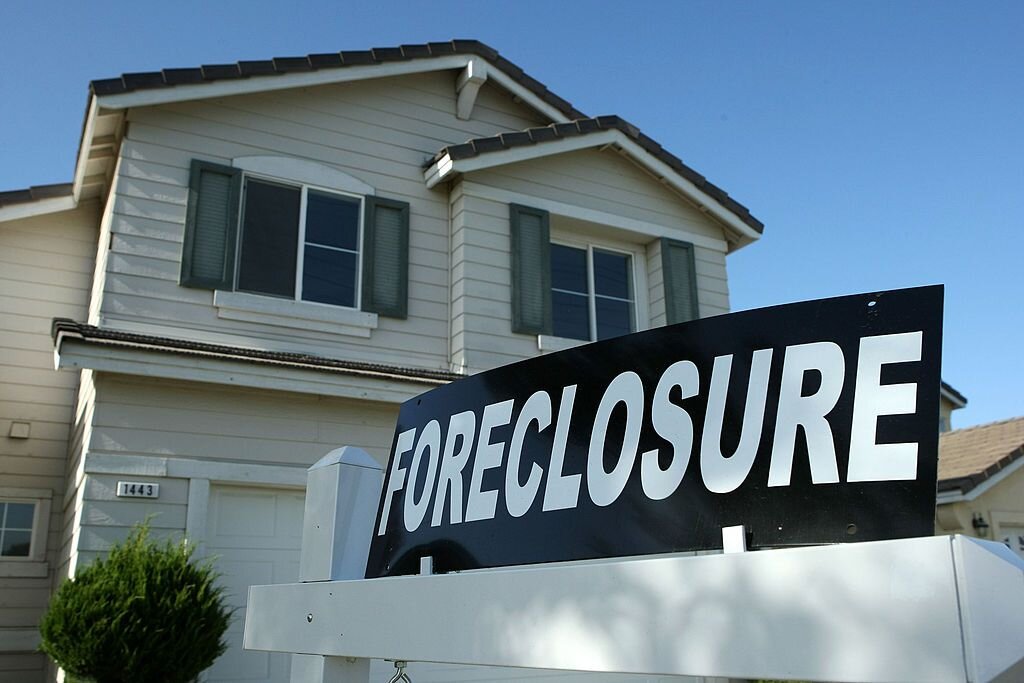
If you are facing foreclosure, it can be an overwhelming and stressful experience. You may feel like your options are limited and time is running out. But take a deep breath—you’re not alone, and there are ways to get through this. We’ve created free online guides to help homeowners just like you understand your options and make informed decisions to get out of this challenging situation.
Foreclosure can happen to anyone. Life throws unexpected challenges our way—job loss, medical bills, a change in family circumstances—and sometimes it becomes difficult to keep up with mortgage payments. The important thing to remember is that you’re not the first person to face foreclosure, and you won’t be the last. There’s no shame in what you’re going through, and the best thing you can do now is to arm yourself with knowledge and take proactive steps to protect your future.
Educating yourself about your options is crucial, and we’re here to help you do just that. Depending on your situation, there may be different paths to take. For some people, selling the home is the most effective way to avoid foreclosure—if that’s your best option, we can make a fair, all-cash offer for your house today. In other cases, we’ve been able to work with homeowners to completely stop the foreclosure process, allowing them to stay in their homes. There are also other potential options available (we’ll make a fair all-cash offer on your house today, just let us know about your situation here), such as loan modifications or government assistance programs, depending on your unique circumstances.
No matter what your situation looks like, the most important thing is to take action before it’s too late. Don’t let fear or uncertainty stop you from exploring your options. Click one of the buttons above to access our free foreclosure guide—it’s designed to provide you with clear, step-by-step information on what you can do now. Remember, knowledge is power, and the sooner you take action, the more options you may have to regain control of your situation.
Avoid Foreclosure on Your Houses
Exploring Options to Help You Keep Your Home
First Steps to Take When Facing Mortgage Payment Difficulties
If you are having trouble paying your mortgage, it is important to act fast to avoid foreclosure and keep your home safe. The first step is to contact your mortgage servicer or lender as soon as you miss a payment or think you might miss one. Acting early can help you find a solution before your loan goes into default.
Here are some steps to take:
- Contact your lender: Tell them about your situation and ask what options you have to manage missed payments.
- Learn about resources: Groups like the Consumer Financial Protection Bureau (CFPB) offer advice and tools for homeowners dealing with debt.
- Get counseling: Money management and housing counselors can help explain your options.
- Keep records: Save all letters, emails, and notes from calls with your lender.
Starting early gives you a better chance to avoid home loss and get help through mortgage assistance programs.
Support Provided by a HUD-Approved Counselor
HUD-approved housing counselors are experts who help homeowners avoid foreclosure. These nonprofit groups offer free or low-cost counseling focused on foreclosure prevention and home protection.
A HUD-approved counselor can:
- Explain your mortgage loan and your rights.
- Look at your financial situation and suggest the best options.
- Connect you with government programs and help you get relief.
- Assist you in talking with your lender or mortgage servicer.
- Support you so you can keep your home stable.
Government Initiatives for Homeowner Assistance
Yes, federal and state governments offer programs to help homeowners avoid foreclosure and keep their homes. Agencies like the Department of Housing and Urban Development (HUD), Consumer Financial Protection Bureau (CFPB), and others provide official programs and services.
These government programs include:
- Mortgage assistance that may pay missed payments.
- Loan modification and forbearance to lower or pause payments for a while.
- Counseling through HUD-approved agencies.
- Rules and laws that protect homeowners from unfair lending.
Difference Between Mortgage Forbearance and Loan Modification
Mortgage forbearance and loan modification both help homeowners avoid foreclosure but in different ways.
- Forbearance: lets you pause or lower your mortgage payments for a short time. It is a temporary option from your mortgage servicer. After this time, you must repay the missed amounts, usually through a repayment plan or loan extension.
- Loan modification: changes the terms of your mortgage loan. This can mean lowering interest rates, extending the loan term, or reducing the amount owed. A loan modification helps by making your monthly payments easier long term.
Both require sending a loss mitigation application to your mortgage servicer. Knowing your rights and working with your lender can help you choose the right option.
Understanding Foreclosure Proceedings
Understanding What Foreclosure Entails
Foreclosure is a legal process where the lender takes back a home if the homeowner stops making mortgage payments. When you get a mortgage loan, you promise to pay back the money you borrowed to buy your house. If you miss payments, this is called mortgage default. The mortgage servicer, the company that handles your loan, can start foreclosure proceedings.
Foreclosure puts you at risk of losing your home through house foreclosure and home eviction. The lender uses the deed to take ownership of the property and may sell it to get back the money owed. There are laws and statutes to protect consumers during foreclosure, but it can still cause financial hardship.
Loss mitigation options, like loan modification, can help homeowners manage debt and avoid home loss. It is important to know your rights and get foreclosure help early. Contact a housing counselor or look for resources from the Consumer Financial Protection Bureau (CFPB) to learn more about managing your mortgage loan and avoiding foreclosure.
Homeowner Rights During the Foreclosure Process
Homeowners have rights to protect them during foreclosure. These rights may differ by state, but they usually include the right to get proper notice before foreclosure starts and the right to get help from your mortgage servicer.
Under consumer protection laws and foreclosure statutes, mortgage servicers must follow legal steps. Homeowners can ask for foreclosure prevention help like loan modifications or mediation programs. If you think your rights are broken, you can file a complaint with the CFPB or talk to an attorney who knows foreclosure law.
Legal rules aim to stop illegal eviction and make sure homeowners get clear information. HUD-approved counselors or housing counselors certified by Housing and Urban Development (HUD) can give free help and explain your options. Knowing your rights helps you stay informed and ready during foreclosure proceedings.
Typical Timeline for Completing a Foreclosure
The time it takes to finish a foreclosure depends on whether it is judicial or non-judicial. Judicial foreclosure happens in court and can take several months or longer. Non-judicial foreclosure is faster because it does not go through court.
Judicial foreclosure means filing legal papers, sending notices, and often attending court hearings. Non-judicial foreclosure allows the mortgage servicer to proceed after giving proper notice, usually handled by a sheriff or trustee.
Usually, the whole process from mortgage default to eviction can take a few months to over a year. This depends on state laws and how the homeowner responds. Homeowners should watch the foreclosure status carefully and answer all notices quickly to avoid surprises.
Loan Modification and Refinancing Strategies
Conditions Required for Loan Modification Consideration
Loan modification can help you avoid foreclosure on your house by changing the terms of your mortgage loan. It is designed for homeowners facing financial hardship.
To qualify for a loan modification, you usually need to meet these conditions:
- Proof of Hardship: Show that you have a valid reason like job loss, medical bills, or lower income that makes it hard to pay your mortgage.
- Behind on Payments: Often, you must be behind on your mortgage payments to apply.
- Eligibility Check: Your mortgage servicer will review your financial information, including income, expenses, and assets.
- Complete Application: Fill out the loss mitigation application carefully and completely.
- Negotiation: Your lender will discuss new loan terms, such as a lower interest rate, longer repayment period, or smaller principal balance.
The Consumer Financial Protection Bureau offers rules to protect consumers during this process. Keep in touch with your mortgage servicer and provide documents quickly to improve your chances of approval.
Refinancing as a Practical Option to Avert Home Loss
Refinancing can help stop foreclosure and prevent losing your home. It means replacing your current mortgage with a new one that has better terms.
Important facts about refinancing include:
- Prevent Foreclosure: Refinancing can make monthly payments more affordable, helping many avoid foreclosure.
- Credit Report Effect: Applying for refinancing may have a small impact on your credit score but often brings financial relief.
- Lower Interest Rate: A lower interest rate lowers your monthly payment.
- Change Loan Terms: You may change the length of your loan or switch loan types.
- Cash-Out Refinancing: You might take cash out of your home equity to pay off debts.
- Eligibility: Your credit score, income, and current mortgage status affect your ability to refinance.
Fannie Mae and the Consumer Financial Protection Bureau provide helpful resources and programs for refinancing. Ask your mortgage servicer about options that suit your situation.
Impact of Credit Score on Mortgage Modification or Refinance
Your credit score plays a big role in avoiding foreclosure through loan modification or refinancing. Lenders and mortgage servicers check your credit report, including your FICO score and credit history, to decide if you qualify.
Key points about credit scores and loans:
- Loan Approval: Higher credit scores improve your chances of getting approved.
- Risk Check: Lenders look at your payment history and any bankruptcies when deciding.
- Credit Care: Fixing your credit before applying can help. Pay bills on time and lower your debts.
- Bankruptcy Impact: Recent bankruptcy can make qualifying harder but does not always stop you.
- Consumer Advice: The Consumer Financial Protection Bureau guides consumers on how credit affects loans.
Knowing your credit score helps you prepare and find the best way to avoid foreclosure.
Potential Long-Term Impacts of Modifying Your Loan
Changing your loan can help you avoid foreclosure and keep your home. But there are some long-term effects to consider.
Possible effects include:
- Credit Report: Loan modification may lower your credit score temporarily but is better than foreclosure.
- Interest Rates: Your new loan may have a lower or fixed interest rate affecting your payments.
- Repayment Time: Your loan term might get longer, which lowers payments but can increase total interest.
- Loan Balance: Sometimes, part of the principal is lowered or delayed.
- Home Equity: Changes can affect your home’s value and future loan chances.
- Other Costs: Think about fees or tax effects from the loan change.
The Consumer Financial Protection Bureau suggests reading all terms carefully and talking with housing counselors before agreeing to modifications.
Role of Mortgage Servicers in Loan Adjustment and Refinancing
Mortgage servicers manage your mortgage loan and help with loan modifications and refinancing. They handle payments, communicate with homeowners, and offer ways to avoid foreclosure.
Mortgage servicers do these tasks:
- Payment Handling: Make sure payments are recorded correctly.
- Loss Mitigation Options: Provide choices like loan modification, refinancing, forbearance, or repayment plans.
- Keeping You Informed: Tell homeowners about help and what steps to take.
- Working with Borrowers: Negotiate solutions based on your financial situation.
- Following Rules: Obey regulations to protect consumers.
- Customer Support: Handle complaints and help solve problems.
Alternative Solutions to Foreclosure
Short Sale as a Strategy to Avoid Home Repossession
A short sale can help homeowners avoid foreclosure on their house. If you owe more on your mortgage than your home is worth, a short sale lets you sell the property for less than the mortgage balance. Your lender or mortgage servicer must agree to accept the sale amount as full payment.
This option helps stop foreclosure and protect your home from repossession. You will work with a real estate agent and your mortgage servicer during this process. A short sale is part of loss mitigation strategies to prevent home loss and foreclosure.
While a short sale lets you sell your home and avoid foreclosure, it needs lender approval and some patience. Homeowners should ask for foreclosure help early and explore all real estate solutions. This option provides relief by helping you pay your mortgage without facing house foreclosure.
Understanding Deed in Lieu of Foreclosure and Its Suitability
A deed in lieu of foreclosure is another way to avoid foreclosure for your house. You choose to give the deed of your home back to the lender or mortgage servicer instead of going through foreclosure. This can help you stop foreclosure and get relief from a defaulted mortgage loan.
This option works well for homeowners who struggle to pay their mortgage and want to avoid home loss. You work with your lender to settle your mortgage without foreclosure. It is part of foreclosure prevention focused on protecting your home and avoiding house foreclosure.
Before choosing a deed in lieu of foreclosure, think about its effects on your credit and talk to housing counselors or loss mitigation experts. This solution may lower your credit score but is usually better than a full foreclosure. Compare it with mortgage modification and other options to find what fits your needs.
Selling Your Property as a Solution to Mortgage Difficulties
Selling your property can help solve mortgage problems and avoid foreclosure. If you have trouble paying your home loan, selling your home can pay off the mortgage before you default. This helps stop foreclosure and keeps your home stable.
A real estate agent who knows foreclosure avoidance can help you sell fast, sometimes with cash offers. Selling your home is a real estate solution that helps avoid home foreclosure. Working with your lender or mortgage servicer can lead to better results.
If selling is not possible, refinancing or loan modification might help by lowering your mortgage payments. These options reduce default risk and provide help to homeowners trying to prevent foreclosure on their house.
Safeguarding Your Finances and Credit During Financial Hardship
Maintaining Your Credit Score During Financial Challenges
Keeping your credit score steady during hard times is important for home stability and avoiding foreclosure. If you have trouble paying your mortgage loan, talk to your mortgage servicer as soon as possible. Many lenders offer foreclosure help or payment plans to avoid foreclosure on your house.
Check your credit report often to see how missed payments or other issues affect your credit score. Look for errors and report them to the credit bureaus to stop any harm to your credit. Good money management and budgeting help you keep up with payments and lower the risk of debt.
The Consumer Financial Protection Bureau (CFPB) has tools and advice on managing debt and protecting your credit when money is tight. Knowing your consumer rights helps you work better with creditors and mortgage servicers.
Protecting Yourself Against Identity Theft and Fraud During Financial Hardship
Financial trouble can make you more likely to face scams, identity theft, and fraud. Keep your sensitive information safe by not giving permission to unknown telemarketers, multi-level marketing offers, or subscription services from emails or calls you do not know.
Only share personal data on official websites you trust. The Federal Trade Commission (FTC) says you should check your accounts regularly for strange activity and report it right away. You can file complaints about scams or fraud on the FTC website.
Learn to spot scam warnings and ways to stop unwanted calls and emails. These steps protect your home and money during tough times.
Frequently Asked Questions
- How can I act quickly to prevent foreclosure?
Contact your lender immediately, explore resources, and get HUD-approved counseling to manage missed payments. - What support do HUD-approved counselors provide?
They explain your mortgage, assess your finances, suggest options, and connect you with relief programs. - How do loan modification and forbearance help?
Forbearance temporarily pauses or lowers payments, while loan modification adjusts terms for long-term affordability. - What alternative options exist besides loan modification?
Short sales, deeds in lieu of foreclosure, selling your home, or refinancing can help avoid home loss. - How can I maintain my credit while facing mortgage difficulties?
Stay current with payments, monitor your credit report, and follow money management advice from CFPB. - How can I protect myself from fraud during financial hardship?
Secure personal info, use trusted websites, monitor accounts, and report suspicious activity immediately.
Key Insights
- Acting quickly by contacting your lender and seeking HUD-approved counseling is crucial to prevent foreclosure.
- HUD-approved counselors provide guidance on mortgage terms, financial assessment, and access to relief programs.
- Loan modification and forbearance offer structured ways to make payments manageable and avoid home loss.
- Alternatives like short sales, deeds in lieu of foreclosure, selling, or refinancing provide flexible solutions.
- Maintaining credit health and safeguarding personal information during financial hardship helps protect long-term financial stability.